


As we age, prioritizing digestive health becomes paramount for overall well-being. Fortunately, simple yet effective dietary adjustments can significantly contribute to maintaining a healthy digestive system in the elderly.
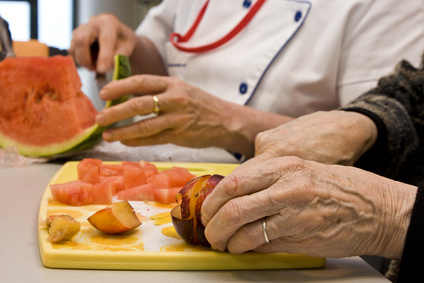 1. Fiber-rich diet:
Incorporating ample fiber into the diet is a cornerstone of promoting digestive health in seniors. Fiber aids in preventing constipation, promoting regular bowel movements, and supporting a healthy gut microbiome. Whole grains, fruits, vegetables, and legumes are excellent sources of dietary fiber.
Ask questions regarding retirement homes to our experts
Adequate hydration is essential for seniors to combat the natural decrease in water retention that comes with aging. Staying hydrated helps prevent constipation and supports the smooth functioning of the digestive system. Encourage the intake of water, herbal teas, and hydrating foods like fruits and soups.
Include lean sources of protein, such as poultry, fish, tofu, and legumes, in the elderly diet. Protein is crucial for muscle maintenance, including the muscles involved in the digestive process. This can help mitigate age-related decreases in muscle tone within the digestive tract.
Probiotics, found in yogurt and fermented foods, and prebiotics, present in foods like bananas and onions, play a vital role in supporting a healthy gut microbiome. These beneficial bacteria aid in digestion, nutrient absorption, and immune function.
Reducing the intake of processed and high-fat foods is advisable. Such foods can contribute to digestive discomfort and may exacerbate conditions like acid reflux. Opt for whole, unprocessed foods to provide essential nutrients without unnecessary additives.
Encourage seniors to consume smaller, more frequent meals rather than large, heavy ones. This approach can ease the digestive process, prevent bloating, and manage conditions like gastroesophageal reflux disease (GERD).
Promote mindful eating practices, encouraging seniors to savor each bite and eat in a relaxed environment. This can enhance the digestive experience, as stress and hurried meals can contribute to digestive discomfort.
Individual dietary needs vary, and consulting with healthcare professionals, including dietitians, is crucial. They can provide personalized recommendations based on health conditions, medications, and specific nutritional requirements.
In conclusion, fostering digestive health in the elderly involves embracing a well-rounded and mindful approach to nutrition. By incorporating fiber, staying hydrated, and making informed dietary choices, seniors can enjoy a higher quality of life with a digestive system that functions optimally.
| Nutrition Strategy | How It Supports Digestion |
|---|---|
| Fiber-Rich Foods | Help support regular bowel movements and prevent constipation. |
| Proper Hydration | Supports digestive function and helps keep stools easier to pass. |
| Lean Proteins | Provide nutrients needed to maintain muscle and overall health. |
| Probiotics & Prebiotics | Help support a healthy and balanced gut microbiome. |
| Small, Frequent Meals | May reduce bloating and make digestion more comfortable. |
We are here to help you choose a retirement home or facility best suited to your needs. Do not hesitate to contact us at the following number: 343 309 5289.
Fiber-rich foods such as whole grains, fruits, vegetables, and legumes can support regular bowel movements and a healthy gut. Lean proteins, probiotics, and prebiotics can also contribute to overall digestive health.
Fiber can help prevent constipation, promote regular bowel movements, and support a healthy gut microbiome. Seniors can increase fiber intake through whole grains, fruits, vegetables, and legumes.
Staying adequately hydrated is important for healthy digestion and can help prevent constipation. Water, herbal teas, soups, and water-rich fruits can contribute to daily fluid intake.
Lean proteins such as poultry, fish, tofu, and legumes provide nutrients needed for maintaining muscle mass. This includes the muscles involved in normal digestive function.
Probiotics are beneficial microorganisms found in foods such as yogurt and fermented foods. Prebiotics are components of certain foods, including bananas and onions, that help support beneficial gut bacteria.
Limiting highly processed and high-fat foods may help reduce digestive discomfort and can be beneficial for people who experience problems such as acid reflux. Whole, minimally processed foods are generally a better choice.
Eating smaller, more frequent meals can make digestion more comfortable for some older adults. This approach may also help reduce bloating and manage symptoms associated with conditions such as gastroesophageal reflux disease.
Eating slowly, chewing food thoroughly, and taking meals in a relaxed environment can make eating more comfortable. Avoiding rushed or stressful meals may also help reduce digestive discomfort.
Yes. Nutritional needs vary depending on a person’s health conditions, medications, dietary restrictions, and nutritional requirements. A dietitian or other healthcare professional can provide personalized dietary recommendations.
A balanced, nutrient-rich diet plays an important role in maintaining digestive health in seniors. Fiber, hydration, lean proteins, probiotics, and prebiotics can support regular digestion and a healthy gut microbiome, while limiting processed foods and eating smaller, frequent meals may reduce discomfort. Individual dietary needs vary, so seniors should work with healthcare professionals to develop an eating plan suited to their health conditions and nutritional requirements.

Find a suitable senior residence
