


Osteoarthritis (OA) is one of the most common health conditions affecting seniors, causing chronic pain, stiffness, and mobility issues. As the condition progresses, many older adults find daily tasks increasingly difficult. Moving into a retirement home or assisted living facility can provide significant relief by offering specialized care, adapted activities, and medical support tailored to osteoarthritis management. In this article, we’ll explore how retirement homes in Canada can help seniors with osteoarthritis live comfortably, remain active, and receive the care they need.
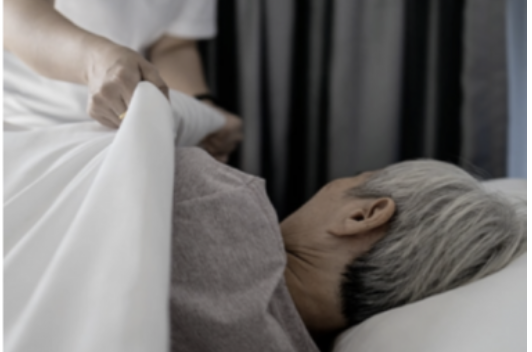 How Assisted Living Supports Seniors with Osteoarthritis
Many retirement homes offer in-house medical care, regular physiotherapy sessions, and pain management programs. These services help seniors maintain mobility and reduce pain through professional guidance.
Staying active is essential for managing osteoarthritis. Many Canadian retirement homes provide low-impact exercises like:
Ask questions regarding retirement homes to our experts
Retirement homes are designed with mobility-friendly features, reducing strain on seniors with osteoarthritis. These features often include:
A joint-friendly diet can significantly ease osteoarthritis symptoms. Assisted living facilities often provide meals rich in:
Retirement homes offer individualized treatment plans, which may include:
| Service | Description | Benefits for Osteoarthritis |
|---|---|---|
| On-Site Physiotherapy | Professional therapists help seniors maintain mobility. | Reduces stiffness, improves flexibility, and minimizes pain. |
| Low-Impact Exercise Programs | Swimming, Tai Chi, and chair yoga. | Maintains joint function without excessive strain. |
| Mobility-Friendly Facilities | Handrails, elevators, non-slip flooring. | Enhances safety and reduces risk of falls. |
| Specialized Nutrition Plans | Anti-inflammatory meals rich in omega-3s and antioxidants. | Supports joint health and reduces inflammation. |
| Pain Management Programs | Massage, heat therapy, and medication management. | Provides relief from chronic joint pain. |
Retirement homes offer specialized healthcare, physiotherapy, mobility-friendly spaces, and customized pain management programs to help seniors with osteoarthritis live comfortably.
Yes. Many facilities provide low-impact activities like swimming, yoga, and chair exercises to help residents maintain flexibility and reduce stiffness.
Many retirement homes provide anti-inflammatory meal plans rich in omega-3s, antioxidants, and joint-friendly nutrients to help manage osteoarthritis symptoms.
Yes, many assisted living communities in Canada offer on-site physiotherapy and rehabilitation programs tailored to residents with joint conditions.
Look for a facility with accessible features (handrails, non-slip floors), on-site physiotherapy, pain management services, and exercise programs designed for joint health.
You can search online for specialized senior residences, check with local healthcare providers, or visit directories like Retirement Home Plus to find a home that meets your needs.
For seniors struggling with osteoarthritis, assisted living provides an excellent solution by offering specialized care, adapted physical activities, pain management, and a supportive community. If you or a loved one is considering a move to a retirement home, look for facilities that prioritize joint health, accessibility, and well-being.
Don't hesitate to contact us at 343 309 5289. We can help you choose the right establishment for you and assist you in your search.
Assisted living provides comprehensive support for seniors with osteoarthritis by combining healthcare services, mobility-friendly environments, and wellness programs. With access to physiotherapy, personalized pain management, adapted physical activities, and anti-inflammatory nutrition, residents can better manage symptoms while maintaining independence. These communities are designed to reduce joint strain, improve mobility, and enhance overall well-being in a safe and supportive setting.

Find a suitable senior residence