


For individuals living with Parkinson's disease, the idea of engaging in physical activity might seem daunting. However, it's increasingly clear that exercise plays a crucial role in managing the symptoms of Parkinson's and can significantly improve overall well-being. In this article, we explore the remarkable benefits of exercise for Parkinson's patients.
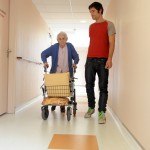 Improved mobility and balance:
One of the hallmark symptoms of Parkinson's is a loss of motor control, leading to tremors, stiffness, and difficulty with balance. Regular exercise can help counteract these challenges. Activities like walking, swimming, or dancing can enhance muscle strength, flexibility, and coordination. Additionally, specific exercises designed to target balance and posture can reduce the risk of falls.
Exercise isn't just about physical health it's equally beneficial for mental well-being. Parkinson's can lead to mood changes and increased feelings of anxiety or depression. Regular physical activity releases endorphins, the body's natural mood lifters, promoting feelings of happiness and reducing stress and anxiety. Moreover, exercise has been shown to support cognitive function, which can be affected by Parkinson's.
Ask questions regarding retirement homes to our experts
Parkinson's can leave individuals feeling fatigued and lacking energy. Regular exercise can help boost stamina and provide more vitality for daily activities. Over time, individuals often find themselves more capable of maintaining an active lifestyle.
Exercise provides an excellent opportunity for social engagement. Joining exercise classes or group activities can help individuals with Parkinson's connect with others who share similar experiences. This sense of community can reduce feelings of isolation and provide additional motivation to stay active.
While exercise can't cure Parkinson's, it can help slow the progression of certain symptoms. It complements the effects of medications by promoting the efficient use of dopamine in the brain. It's essential to work with healthcare professionals to find the right balance between exercise and medication.
Individuals with Parkinson's should consider a range of exercise options:
Aerobic activities: Engage in activities like walking, cycling, or swimming, which promote cardiovascular health and overall fitness.
Strength training: Incorporate weightlifting or resistance band exercises to build and maintain muscle strength.
Flexibility exercises: Activities like yoga or tai chi can improve flexibility, balance, and posture.
Interval training: Short bursts of high-intensity exercise can provide benefits for both cardiovascular health and symptom management.
Dance and movement: Dancing is not only a fun way to stay active but also a way to improve balance, coordination, and cognitive function.
It's crucial for individuals with Parkinson's to consult with healthcare professionals or physical therapists to create a personalized exercise plan that considers their unique needs and limitations.
| Symptom | Exercise Adaptation |
|---|---|
| Balance Problems | Use supported exercises and professional supervision when needed. |
| Muscle Stiffness | Include gentle stretching and flexibility exercises. |
| Fatigue | Use shorter sessions with appropriate rest periods. |
| Freezing Episodes | Seek guidance from a physical therapist for safer movement strategies. |
In conclusion, exercise is a powerful tool for individuals with Parkinson's to enhance their quality of life. It offers benefits for mobility, mood, energy, and social engagement. By making exercise a regular part of their routine, individuals with Parkinson's can take control of their health and well-being, providing a sense of empowerment in their journey with the condition.
Don't hesitate to contact us at 343 309 5289. We can help you choose the right establishment for you and assist you in your search.
Regular exercise can help people with Parkinson's disease maintain mobility, muscle strength, flexibility, balance, and overall physical function. Staying active may also support independence, emotional well-being, and quality of life as part of a comprehensive Parkinson's treatment plan.
A well-rounded exercise program for Parkinson's disease may include aerobic activity, strength training, balance exercises, stretching and flexibility exercises. Activities such as walking, cycling, swimming, dancing, yoga and tai chi may be suitable depending on the person's abilities, symptoms and overall health.
Exercise can help support walking ability and mobility by improving strength, balance, flexibility and coordination. Physical therapists can also recommend specific exercises and movement strategies for people experiencing problems with gait, posture or everyday movement.
Balance exercises can be an important part of Parkinson's rehabilitation. Appropriate training may help improve stability, coordination and confidence during movement. People who have balance difficulties or a history of falls should seek professional guidance before beginning a new exercise program.
Strength training can help maintain or improve muscle strength, which is important for activities such as standing, walking and completing everyday tasks. Exercises should be adapted to the individual's physical abilities and performed safely, particularly when mobility or balance is affected.
Exercise is strongly encouraged as part of Parkinson's care because of its benefits for physical function and overall health. Research continues to investigate whether particular forms or intensities of exercise may influence the progression of Parkinson's disease, but exercise should not be considered a cure or replacement for medical treatment.
The appropriate frequency and intensity of exercise depend on the person's symptoms, fitness level and overall health. A healthcare professional or physical therapist can help develop a regular exercise routine that combines aerobic, strength, balance and flexibility activities safely.
Yes. A physical therapist can assess mobility, strength, posture, balance and fall risk before developing an individualized exercise program. Therapy can also help people adapt exercises as Parkinson's symptoms and physical abilities change over time.
Physical activity may still be beneficial for people with more advanced Parkinson's disease, but exercises often need to be adapted to their mobility and care needs. Professional supervision may be particularly important for individuals with significant balance problems, freezing episodes or a high risk of falls.
Regular exercise can play an important role in improving quality of life for people living with Parkinson’s disease. Physical activity can support mobility, balance, strength, flexibility, energy levels, mood, and cognitive health while helping reduce the risk of falls. Activities such as walking, swimming, cycling, strength training, yoga, tai chi, and dancing can be adapted to individual abilities. Exercise can complement medical treatment, but programs should be personalized with guidance from healthcare professionals or physical therapists.

Find a suitable senior residence
