


Accueil >
Long Term Care Home in Canada > Quality of Care in Canada
Resident safety is a paramount concern in long-term care facilities, where the well-being of elderly and vulnerable individuals is entrusted to the staff. This article delves into the strategies and measures employed to enhance resident safety, as well as the critical aspects of preventing and addressing instances of abuse and neglect. We'll also explore how technology is playing an increasingly significant role in monitoring and ensuring the safety of residents.
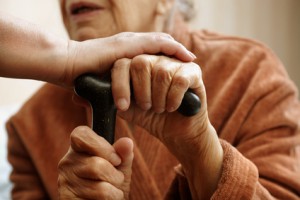 Strategies to enhance resident safety:
Long-term care facilities are continually working to improve resident safety. This involves a multifaceted approach that includes regular risk assessments, fall prevention programs, medication management protocols, and the establishment of clear safety guidelines. Adequate training for staff in recognizing and responding to safety concerns is pivotal in maintaining a secure environment.
Additionally, promoting a culture of safety and open communication among staff, residents, and their families can help prevent accidents and errors. Safety committees and regular safety drills are commonly used strategies to foster awareness and preparedness.
Ask questions regarding retirement homes to our experts
One of the most distressing issues in long-term care is the occurrence of abuse and neglect. Preventing such incidents is a top priority. Facilities must maintain vigilant hiring practices, including comprehensive background checks and ongoing staff training in recognizing and reporting abuse.
Residents and their families are encouraged to be proactive in observing signs of abuse or neglect. Adequate channels for reporting concerns should be readily available, and staff should be trained to respond appropriately. An effective investigation process and the involvement of regulatory authorities are crucial in addressing allegations and ensuring justice for residents.
In recent years, technology has become a valuable ally in enhancing resident safety. Innovative solutions like electronic health records, resident monitoring systems, and surveillance cameras have been adopted to ensure the well-being of residents. These technologies can help in monitoring vital signs, tracking medication administration, and alerting staff to potential safety issues.
Moreover, the integration of electronic health records and communication systems allows for real-time information sharing among staff, improving response times during emergencies and minimizing the risk of medication errors. Resident monitoring systems can detect falls and notify staff promptly, reducing the likelihood of injuries.
In conclusion, resident safety in long-term care facilities is a matter of utmost importance. A combination of strategies, from enhancing safety protocols and addressing abuse to leveraging technology, is essential in creating a secure environment for residents. By continuously striving to improve safety measures, long-term care facilities can provide the highest level of care and peace of mind to both residents and their families.
| Safety Measure | How It Protects Residents |
|---|---|
| Risk Assessments | Help identify hazards and individual safety concerns. |
| Fall Prevention | Reduces the risk of falls and related injuries. |
| Staff Training | Prepares staff to recognize and respond to safety concerns. |
| Abuse Prevention | Reporting procedures and staff screening help protect residents. |
| Safety Technology | Monitoring systems can help detect risks and support faster responses. |
Are you looking for senior living in Ontario?
Don't hesitate to contact us at: 343 309 5289. We can help you choose the right establishment for you and assist you in your search.
Facilities can improve resident safety through regular risk assessments, fall prevention programs, medication management protocols, clear safety guidelines, staff training, and open communication.
Facilities can help prevent abuse and neglect through thorough background checks, ongoing staff training, clear reporting procedures, and effective investigation processes.
Families should report their concerns through the appropriate channels and ensure that suspected abuse or neglect is properly investigated.
Electronic health records, monitoring systems, and surveillance technologies can help staff detect risks, share information quickly, monitor residents, and respond to emergencies more efficiently.
Staff training helps employees recognize potential hazards, respond appropriately to emergencies, prevent accidents, and identify signs of abuse or neglect.
Resident safety is a central priority in long-term care facilities and requires a comprehensive approach. Regular risk assessments, fall prevention programs, medication safety protocols, staff training, and clear safety guidelines help reduce accidents and protect residents. Facilities must also take strong measures to prevent and address abuse and neglect through careful hiring, staff education, reporting procedures, and investigations. Technology such as electronic health records, monitoring systems, and surveillance tools can further improve safety by enabling faster communication, detecting risks, and supporting timely interventions.

Find a suitable senior residence
