


Accueil >
Retirement Home > Finding the Right Retirement Home in Canada
Pets provide companionship, emotional support, and health benefits, making them an important part of many seniors' lives. However, when moving into a retirement home in Ontario, residents may face restrictions and challenges related to pet ownership. While some facilities allow pets, others have strict policies regarding animals. This guide explores the benefits of pets in retirement homes, common challenges, and how seniors can navigate pet policies when transitioning to a retirement community.
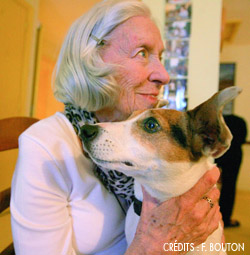 Benefits of Pets for Seniors in Retirement Homes
Ask questions regarding retirement homes to our experts
While pets provide many benefits, there are challenges and limitations when bringing animals into retirement homes.
Different retirement homes have varying pet policies. Below is a comparison of common pet regulations in Ontario's senior living facilities.
| Retirement Home Type | Pet Policy | Additional Considerations |
|---|---|---|
| Independent Living Communities | Often pet-friendly, with size and breed restrictions | Residents must fully care for their pets |
| Assisted Living Facilities | Some allow small pets; others only allow therapy animals | May require proof of ability to care for the pet |
| Memory Care Units | Most do not allow personal pets but offer pet therapy programs | Designed for seniors with dementia or cognitive decline |
| Long-Term Care Homes | Generally do not allow personal pets | Facilities may bring in therapy animals for visits |
Some do, but policies vary. Independent living communities are more likely to allow pets, while assisted living and long-term care homes have stricter rules.
Small dogs, cats, fish, and birds are the most commonly permitted pets. Some facilities restrict large breeds or exotic animals.
Yes, some pet-friendly homes offer grooming, walking, and feeding assistance for seniors with mobility challenges.
Most memory care units do not allow personal pets but offer pet therapy programs to provide companionship.
Seniors should have a backup plan with family members or a designated caregiver. Some retirement homes require a signed pet care agreement before allowing pets.
Some facilities charge pet deposits, cleaning fees, or monthly pet maintenance fees.
Many retirement homes allow pet visitors, especially if the senior is in a pet therapy program.
Consider pet therapy programs, visits to local shelters, or moving to a pet-friendly facility.
Yes, studies show that pets reduce loneliness, stress, and symptoms of depression in seniors.
Search online directories, contact facilities directly, and ask about pet policies before making a decision.
Pets provide emotional, physical, and social benefits for seniors, making them valuable companions in retirement homes. While not all retirement facilities in Ontario allow pets, there are options such as pet-friendly communities, therapy animal programs, and visiting pet policies to ensure seniors can maintain a connection with animals.
| Retirement Home Type | Typical Pet Policy | What Seniors Should Know |
|---|---|---|
| Independent Living | Often pet-friendly | Residents may be allowed to keep pets but can face size, breed, or type restrictions. |
| Assisted Living | Varies by facility | Some communities allow small pets or therapy animals and may require residents to demonstrate that they can care for them. |
| Memory Care | Personal pets may be restricted | Many memory care units offer pet therapy programs as an alternative to personal pet ownership. |
| Long-Term Care | Often more restrictive | Personal pets may not be permitted, although therapy animals may visit residents. |
Don't hesitate to contact us at 343 309 5289 or online. We can help you choose the right establishment for you and assist you in your search.
Pets can significantly improve seniors’ quality of life in retirement homes by providing companionship, emotional support, physical activity, and social connection. While many seniors benefit from having animals nearby, retirement homes often have specific pet policies based on safety, health considerations, and residents’ ability to care for their pets. Pet-friendly communities and therapy animal programs offer alternatives for seniors who cannot keep personal pets.

Find a suitable senior residence