


Accueil >
Retirement Home > Retirement Home's Activities in Canada
Retirement homes are no longer just places to reside; they are evolving into vibrant communities where residents can cultivate not only friendships but also beautiful gardens. Gardening and horticultural activities have become integral to the senior living experience, offering a source of inspiration and renewal for those who call these communities home.
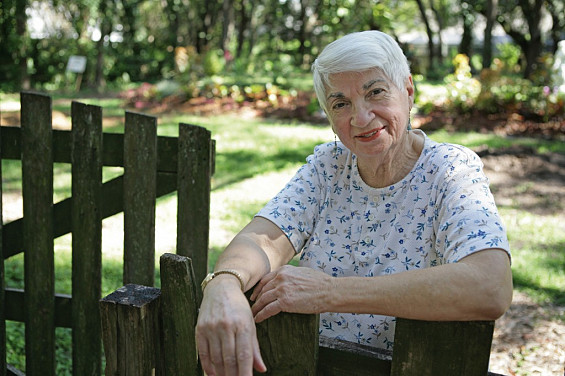 Creating lush retreats: The role of beautiful gardens
The importance of beautiful gardens in retirement homes cannot be overstated. These gardens serve as tranquil retreats where residents can unwind, connect with nature, and find solace in the beauty of flowers, trees, and well-tended landscapes. The sights, sounds, and fragrances of these outdoor spaces promote relaxation and rejuvenation.
Ask questions regarding retirement homes to our experts
Gardening isn't just about aesthetics; it's also a therapeutic endeavor. Many retirement homes have embraced the concept of horticultural therapy. Engaging in activities like planting flowers, nurturing vegetables, and tending to the garden not only keeps residents active but also offers a host of physical and mental benefits. Gardening has been shown to reduce stress, boost mood, and improve cognitive function. It's a delightful way to promote both physical well-being and emotional harmony.
For many residents, gardening serves as a creative outlet. They can express themselves through the colors, arrangements, and designs they create within the garden. Whether it's designing a floral bed, cultivating an herb garden, or arranging potted plants, residents find immense satisfaction in transforming a patch of earth into a work of art.
Some retirement homes take it a step further by incorporating vegetable gardening. Growing their own vegetables not only provides residents with access to fresh, organic produce but also fosters a sense of accomplishment and self-sufficiency. The satisfaction of cultivating their own food and sharing the harvest with fellow residents is immeasurable.
Gardening is not just an individual endeavor; it's a communal one as well. Retirement home gardens often become spaces for social interaction, where residents come together to plant, weed, and nurture the greenery. These joint efforts create bonds and friendships, offering a strong sense of belonging to the community.
In conclusion, gardening and horticultural activities have flourished in retirement homes, enhancing the quality of life for their residents. Beautiful gardens offer a haven of peace and serenity, while the act of gardening itself provides an array of physical and emotional benefits. These green spaces not only reflect the vibrancy of these communities but also nurture the well-being and creativity of the seniors who call them home. By embracing the therapeutic world of gardening, retirement homes are helping their residents bloom and thrive in their golden years.
| Gardening Benefit | How It Supports Seniors |
|---|---|
| Physical Activity | Planting, watering, pruning, and tending to plants provide gentle movement and help seniors stay active. |
| Stress Reduction | Spending time in gardens and caring for plants can promote relaxation and emotional well-being. |
| Cognitive Stimulation | Planning garden tasks, remembering routines, and learning about plants help keep residents mentally engaged. |
| Creativity | Designing flower beds, arranging plants, and creating herb or vegetable gardens provide opportunities for self-expression. |
| Social Connection | Shared gardening activities encourage conversation, cooperation, friendships, and a stronger sense of community. |
| Sense of Accomplishment | Growing flowers, herbs, or vegetables gives residents a rewarding sense of purpose and pride. |
We are here to help you choose a retirement home or facility best suited to your needs. Do not hesitate to contact us at the following number: 343 309 5289.
Gardening gives seniors an opportunity to spend time outdoors, stay physically active, connect with nature, and participate in a meaningful activity. It can also support emotional well-being, creativity, and social interaction.
Horticultural therapy involves using gardening and plant-related activities to support physical, emotional, and cognitive well-being. Activities may include planting flowers, caring for plants, growing vegetables, or maintaining garden areas.
Gardening provides a relaxing activity that allows seniors to spend time in nature and focus on a rewarding task. It can help reduce stress, encourage relaxation, and provide a sense of accomplishment.
Yes. Activities such as planting, watering, weeding, pruning, and tending to plants involve movement and can provide gentle physical activity. Retirement homes can adapt gardening tasks to accommodate residents with different mobility levels.
Gardening involves planning, remembering tasks, making decisions, and learning about plants and seasons. These activities provide mental stimulation and can help residents remain engaged and active.
Residents can use gardening as a creative outlet by choosing flowers, arranging plants, designing garden beds, creating herb gardens, or decorating outdoor spaces. Designing and caring for a garden can provide a strong sense of personal achievement.
Some retirement homes offer vegetable or herb gardens where residents can grow produce such as vegetables, herbs, and fruits. Growing food can provide residents with a rewarding activity and the satisfaction of contributing to a shared harvest.
Gardens can become shared spaces where residents work together to plant, water, weed, and maintain plants. These group activities encourage conversation, cooperation, friendship, and a stronger sense of community.
Outdoor gardens provide residents with accessible spaces to relax, enjoy nature, socialize, and participate in activities. A well-maintained garden can enhance the atmosphere of a retirement community and provide opportunities for residents to spend meaningful time outdoors.
Gardening activities can often be adapted for seniors with different physical abilities. Raised garden beds, containers, seated gardening, lightweight tools, and staff assistance can make participation easier and more accessible.
Ask whether the retirement home has gardens, accessible outdoor spaces, gardening programs, vegetable or herb gardens, and organized horticultural activities. During a visit, check whether residents can safely access and participate in the outdoor areas.
Gardening combines outdoor activity, creativity, relaxation, learning, and social interaction. By giving seniors opportunities to care for plants and participate in shared green spaces, gardening programs can contribute to a more active and fulfilling retirement experience.
Gardening and horticultural activities in retirement homes provide seniors with a peaceful connection to nature while supporting their physical, mental, and emotional well-being. Beautiful gardens offer relaxing outdoor spaces, while hands-on gardening promotes activity, creativity, and a sense of accomplishment. These shared green spaces also encourage social interaction and strengthen community bonds, contributing to a more fulfilling retirement experience.

Find a suitable senior residence
